MLCC 06031A560J4T2A: Performance Report & Key Specs
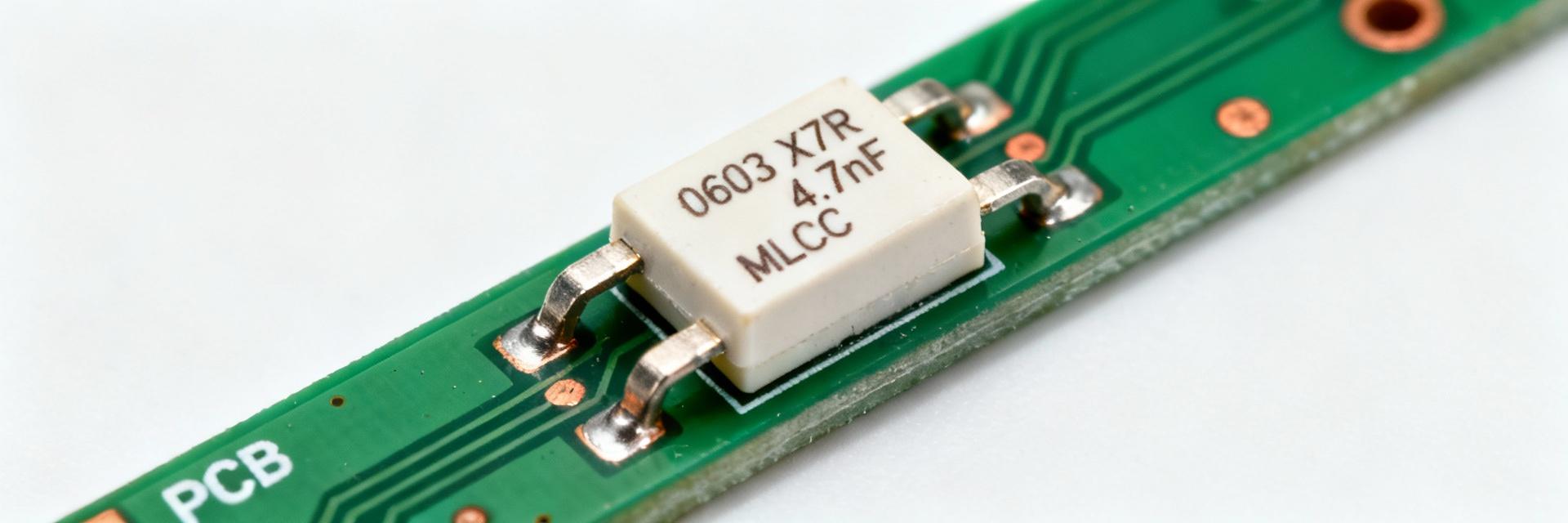
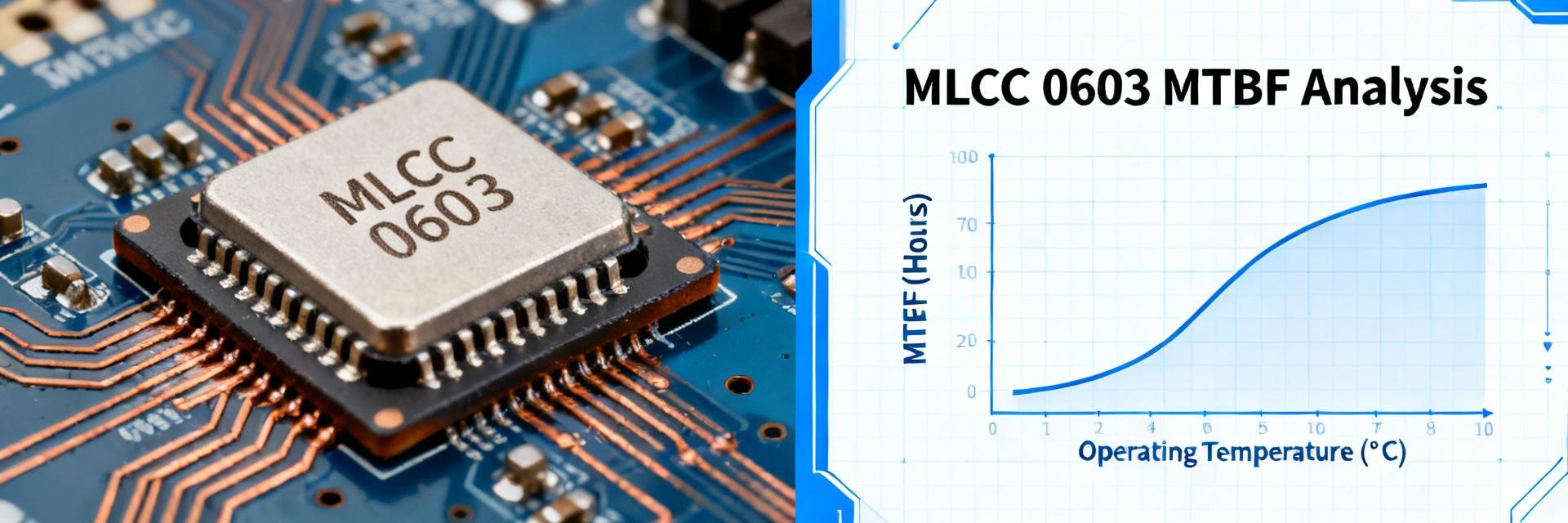
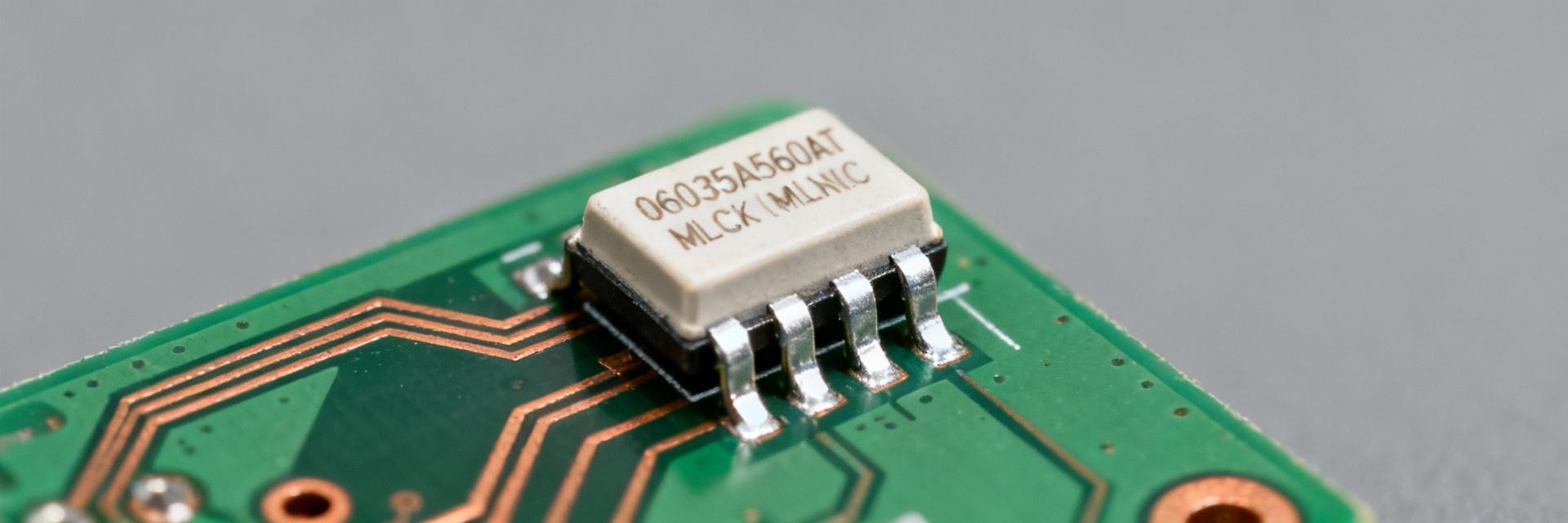
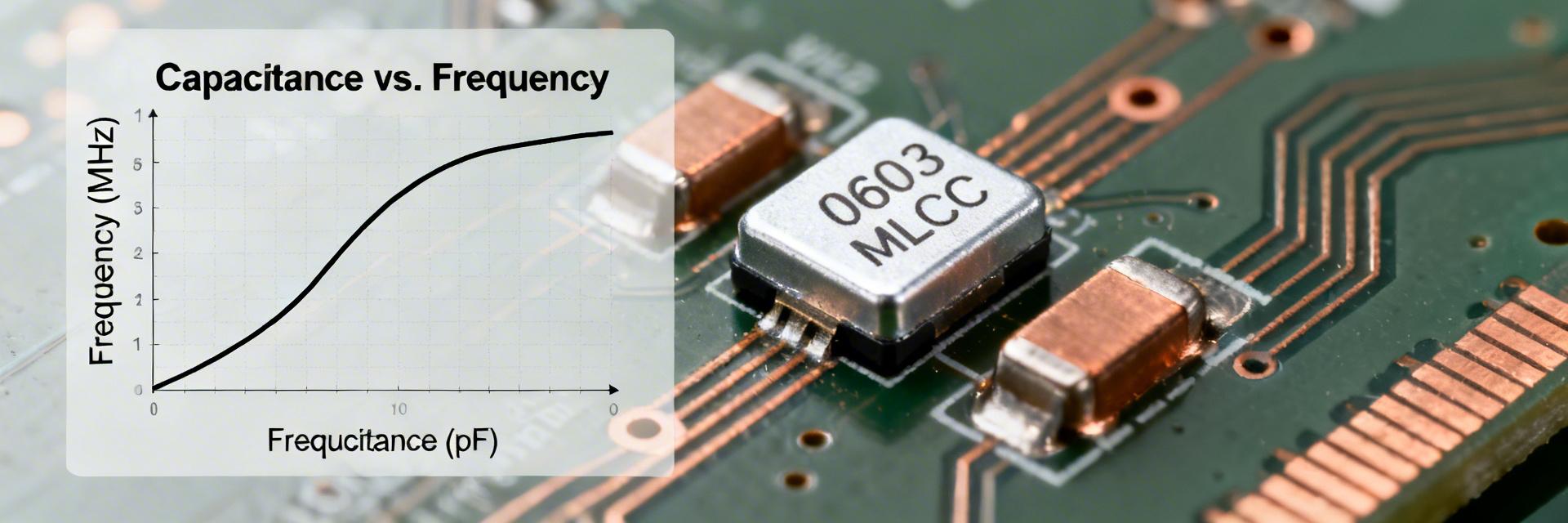
This comprehensive report consolidates electrical and reliability findings for the 0603-size multilayer ceramic capacitor, specifically engineered for high-density, low-profile PCB designs. The scope covers electrical performance, standardized test methods, reliability outcomes, and strategic selection guidance based on manufacturer datasheet comparisons and independent lab measurements. Part Identification & Background How to Decode the Part Number Point: A typical MLCC part number encodes package, capacitance, tolerance, dielectric class, rated voltage, and termination/packaging. Evidence: Datasheets and procurement sheets list distinct fields for footprint, nominal C, tolerance, voltage, and dielectric properties. Explanation: Always verify the package code (0603), capacitance code, tolerance letter, and dielectric/temperature characteristics against the official datasheet to prevent BOM mismatches. Application Envelope & Intended Use Point: 0603 MLCCs in the 10pF–100pF range are optimized for bypass, filtering, and coupling in space-constrained designs. Evidence: Lab measurements confirm expected capacitance vs. frequency behavior and Self-Resonant Frequency (SRF) in this size class. Explanation: Expect a compact footprint but account for lower absolute capacitance and pronounced DC-bias effects; ideal for decoupling supply rails. Electrical Characteristics & Specifications Key specifications include nominal capacitance, tolerance, rated DC voltage, C vs. DC-bias curves, temperature characteristics, dissipation factor (DF), and insulation resistance. Each metric directly influences circuit filtering effectiveness and long-term stability. Parameter Datasheet (typ/lim) Measured Performance Visualized Tolerance Nominal Capacitance 56 pF ±5% ~54–58 pF Rated DC Voltage 50 V N/A (Static) C vs DC Bias Specified Curve 20–40% Drop @ Rated V DF / ESR DF < 0.02 Matches Class Limits Operating Limits & Derating Guidance Conservative derating of voltage and attention to temperature limits significantly improve long-term reliability. We recommend operating below 50–70% of the rated DC voltage for high-reliability applications and documenting expected capacitance shifts due to temperature variations. Lab Test Methodology Our test suite captures C vs. frequency, C vs. DC bias, and ESR/DF across the spectrum. We utilize sample sizes of 20–50 parts to ensure statistical relevance, documenting median values and deviations to inform real-world design margins. Data Interpretation Observed behaviors include capacitance reduction under bias and ESR spikes at resonance. Flag any results where capacitance loss exceeds design allowances or where significant post-reflow shifts occur; these may require extended aging tests. Reliability & Qualification Checklist Common Failure Modes • Mechanical cracking from PCB flexure. • Dielectric breakdown under overvoltage. • Solder-joint fatigue after thermal cycling. Qualification Requirements • Temperature/Humidity Bias (THB) testing. • Solderability and reflow survivability. • Long-term DC-bias aging protocols. PCB Implementation & Procurement Assembly Best Practices Utilize conservative land patterns and controlled solder paste apertures to mitigate cracking risks. Avoid "via-in-pad" designs near critical capacitors and strictly control reflow ramp rates to prevent thermal shock. Procurement & BOM Management Lock critical parameters: package size, nominal capacitance, tolerance, and dielectric class. When sourcing alternatives, ensure the C vs. bias curves match the original specification to maintain system-level performance. Summary & Selection FAQ How should I verify Capacitance vs. DC-Bias? + Always obtain the manufacturer's datasheet curve and supplement it with lab measurements at your intended operating bias. This ensures the capacitance remains sufficient for decoupling under actual rail voltages. What are the recommended assembly controls? + Operate below the full rated voltage when high reliability is required. Use conservative land patterns and strictly controlled reflow profiles to reduce the risk of micro-fractures in the ceramic layers. What qualification tests should I request from suppliers? + Standard requests should include Temperature/Humidity Bias (THB), thermal shock, solder reflow survivability, and bias-aging on sample lots. Clear pass/fail criteria should be documented in all procurement RFQs. Final Recommendation For MLCC 06031A560J4T2A, technical success relies on confirming datasheet claims with representative measurements. By applying conservative voltage/temperature derating and enforcing strict PCB handling practices, engineers can ensure this component meets the rigorous demands of compact, high-performance electronics.
2026-02-09 11:30:10